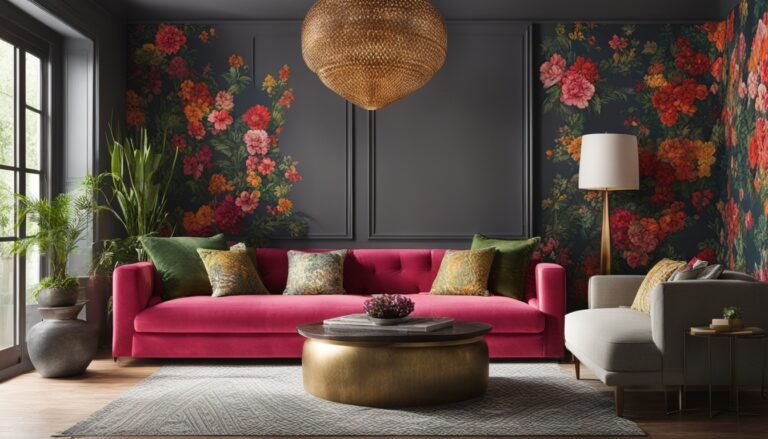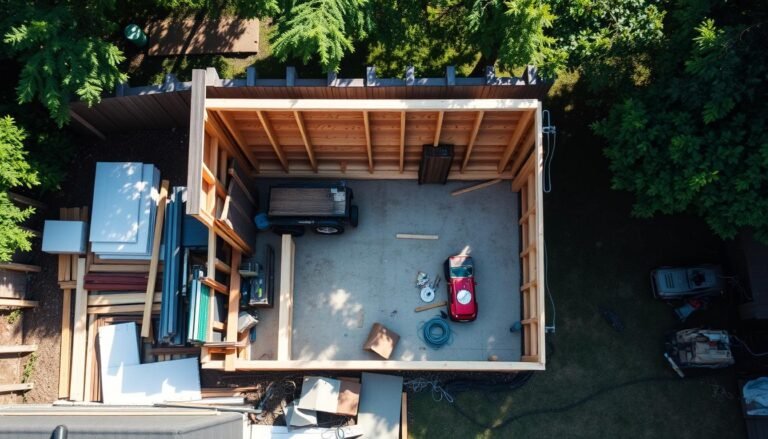


Before a home-improvement project begins, take a useful set of room photographs. These pictures can support planning, help explain a question to a contractor and remind you how the space worked before changes began. A deliberate record is more useful than a camera roll full of nearly identical views.
Start with the whole room
Photograph the room from its accessible corners and from the doorway. Include the transitions into adjacent spaces. Keep the camera level where practical, and take an extra picture if a wide view makes proportions look distorted.
Record the date and room name. Photographs provide context, but they do not replace measured drawings or an on-site assessment when accurate dimensions are needed.
Capture the details that affect decisions
Take closer pictures of visible finishes, existing storage, fixtures and awkward transitions. Include the places where a door swings into furniture or a narrow route affects daily use. Photograph problems honestly rather than moving everything out of sight.
Do not remove electrical covers, open equipment or enter unsafe spaces to obtain a photograph. If a detail is inaccessible, record that limitation and ask an appropriate professional to inspect it.

Pair pictures with brief notes
Give important images a plain label: “north wall, existing cabinet” or “doorway, flooring transition.” Add the observation you want to discuss. “This corner is dark in the afternoon” is more useful than an unlabeled close-up of a wall.
Keep actual measurements in a separate marked record. If you use a ruler in a detail photograph, avoid treating the image as a reliable scale for the whole room.
Store a clean reference set
Create folders for before, decisions, progress and completed work. Keep the original files, and make annotated copies when you want to draw attention to a feature. Share only the images a contractor needs; remove unrelated personal information from view.
When work is complete, repeat several of the original viewpoints. The paired record can help with future maintenance and explain what changed, without relying on memory months after the tools have been packed away.